13 Symbols Of Purity And Their Meanings
Are you searching for symbols of purity and what they mean?
Purity is about wholeness, referring to the most coveted state of being. It is a very potent symbol employed frequently in various cultures and religions across the globe.
Purity is a virtue that refers to the state of being free from dirt or contamination. It tells so much about our character. Sadly, this virtue does not seem popular today despite its power that influences many aspects of our life. Still, its representations remain alive, whether we are aware of them or not.
Let’s find out some of the most common symbols of purity and what they mean on the following list.
13 Symbols Of Purity And Their Meanings

1. Cotton
Cotton is a type of soft, fluffy fiber produced from the cotton plant, which is a member of the Hibiscus family. When turned into fabric, cotton remains soft.
Cotton was first cultivated in 3000 BC in the present-day Pakistan. When Christopher Columbus discovered America in 1492, cotton was already growing in the Bahamas. Half a century later, it had already traveled throughout the world.
In modern times, cotton is associated with the concepts of purity as well as innocence. This is probably because of diapers and baby clothes, which require cotton to be made.
2. The Color White

Ever wonder why a bride wears white on her wedding day? It’s because this color or shade represents purity. The old custom of wearing a white wedding gown traditionally indicates the bride’s virginity.
White has symbolized purity for a significant part of human history. Priestesses were clad in white in ancient Egypt, so were their ancient Roman counterparts. The façade of each temple in both ancient Egypt and Rome was built with white marble.
Additionally, the Pope has worn white since the middle of the 16th century. This tradition is being practiced to illustrate purity and sacrifice. It is not limited to Christians or Catholics, however, as pilgrims in Shinto and Islam religions also wear white.
3. Salt

Salt is used in purification rituals and other such purposes in various cultures and religions, which makes it an apt symbol of purity.
There are individuals who take salt baths due to the belief that this mineral aids in soothing emotions and washing away bad energies.
In ancient times, people used salt to treat wounds and ward off evil entities. It was also used in food curing and storage as well as mummification, which also makes it symbolic of preservation.
4. Unicorn

The unicorn was featured in early Mesopotamian artworks, with the earliest description in Greek literature as a single-horned animal.
This mythical animal, which is typically depicted as a horse with a horn on its forehead, is loaded with several symbolic meanings. Because it is mythical, the unicorn is usually linked with magic and imagination.
According to legend, a unicorn’s horns have healing powers so potent that they can purify poisoned water, hence symbolizing purity. Unicorn is also regarded as a symbol of innocence as well as grace, power, and strength.
5. Lamb

The lamb, or baby sheep, has been employed as a symbol since 8000 BCE. For Christians, this meek animal represents several two qualities related to Jesus Christ. It symbolizes His purity, His suffering for humanity, and His victory over the Devil.
As the lamb is an animal typically used in sacrificial rituals (“sacrificial lamb”), it also symbolizes sacrifice as well as meekness.
In addition, lambs are also representative of childhood and innocence, and also humility.
6. Cross

No other symbol better represents Christianity and is more widely known than the cross.
Akin to the lamb, the cross signifies the suffering and sacrifice that Jesus Christ made for humanity. Jesus dying on the cross has become a symbol denoting purity and new life.
7. Ailm
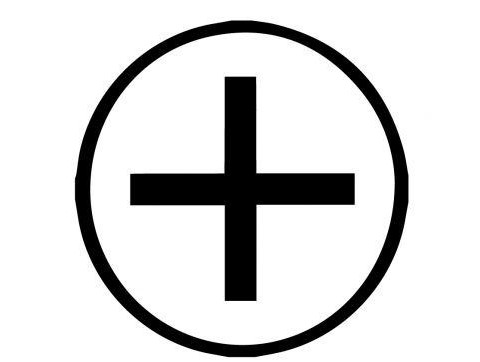
Ailm – or the fir tree symbol – in Celtic mythology represents purity, clarity, objectivity, pure energy, strength, integrity, and good health. It also symbolizes the top on the tree of life, which is said to be a path to the next world.
Ailm in a circle signifies the purity of the spirit.
Traditionally, fir branches that are represented by the Ailm symbol were positioned under an infant’s crib or bed in the belief that this would assure their purity of soul throughout their life.
8. Lotus

The very reason why the lotus flower is viewed as a symbol of purity is because of the fact that these flowers rise from the muddy waters and come out without stains.
Lotuses have also come to symbolize rebirth, resilience, and overcoming adversity due to their ability to return to the waters at night and rise again at day break.
9. Dove

Doves are referenced often in the Bible, from after the Great Flood (when Noah sent out one and it came back with a branch of olive in its beak) to its appearance during the baptism of Jesus in the Jordan River.
The Gospel also states that the dove is so pure that it is the only living thing whose form Satan cannot transform himself into.
For these reasons, this bird became a symbol of purity, innocence, and peace with the Almighty Father.
The dove’s appearance, along with its meekness, contributes to its designation as a purity symbol.
Doves also represent love, innocence, and hope, and are often associated with the concept of renewal and rebirth.
10. Snowflake

No two snowflakes are alike. With each one being unique and one-of-a-kind, the snowflake is naturally viewed as a sign of uniqueness and singularity or individuality.
The flake of snow has also symbolized purity for centuries, thanks to its pristine white color that stands for perfection and absence of dirt or flaws.
A snowflake’s intricate and delicate form is symbolic of nature’s purity and beauty, which also signifies the purity and beauty of every individual.
11. Rain

As rain washes away filth and impurities, it is not a wonder that it has come to symbolize new beginnings. A fresh start is always viewed as free of any dirt and flaws, which is why rain is associated with purity.
Rain is also a symbol of purification or the cleansing of one’s soul.
12. Water
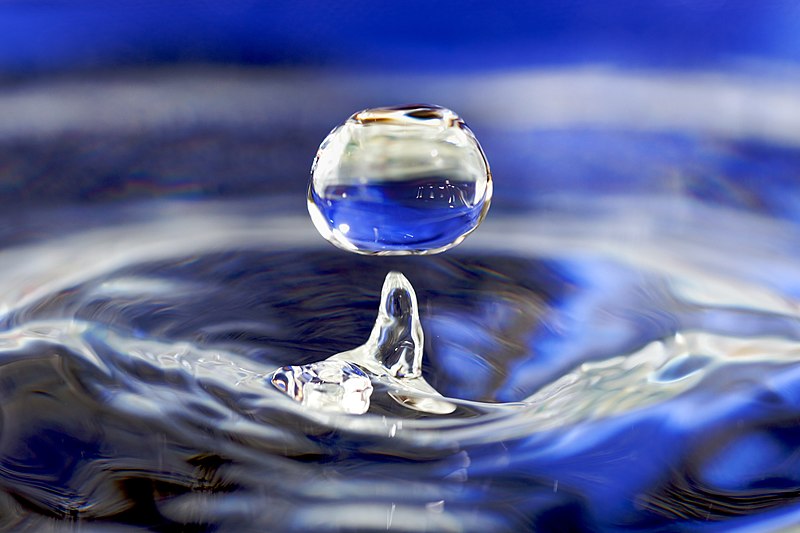
Often represented by a blue drop-shaped sign, water is known for its purity, clarity, and fluidity as well as its ability to cleanse, wash, purify, and even bring forth a new life.
This element is frequently used in cleansing and purification rituals such as baptism, where water comes to denote the cleansing of sins and the renewal or rebirth of the soul. In this manner, water also serves as a symbol of spiritual renewal.
13. Sage
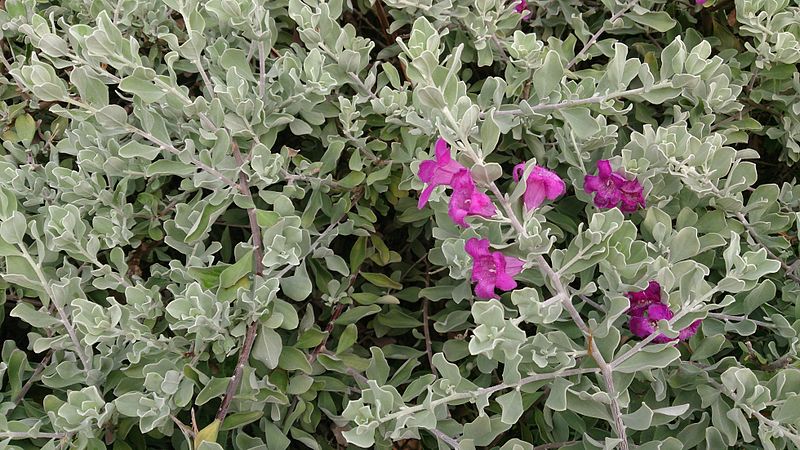
Sage is an herb that’s native to the Mediterranean region but has also been cultivated in other places throughout the globe. It is a member of the mint family, bearing a long history of both medicinal and culinary uses. Nowadays, sage is also grown as an ornamental plant.
Just like water, this herb is used in cleansing and purification rituals. It is believed to rid of negative energies so positive ones can come in.
Sage is a popular herb used in smudging rituals, a process done to a person or place that needs cleansing.