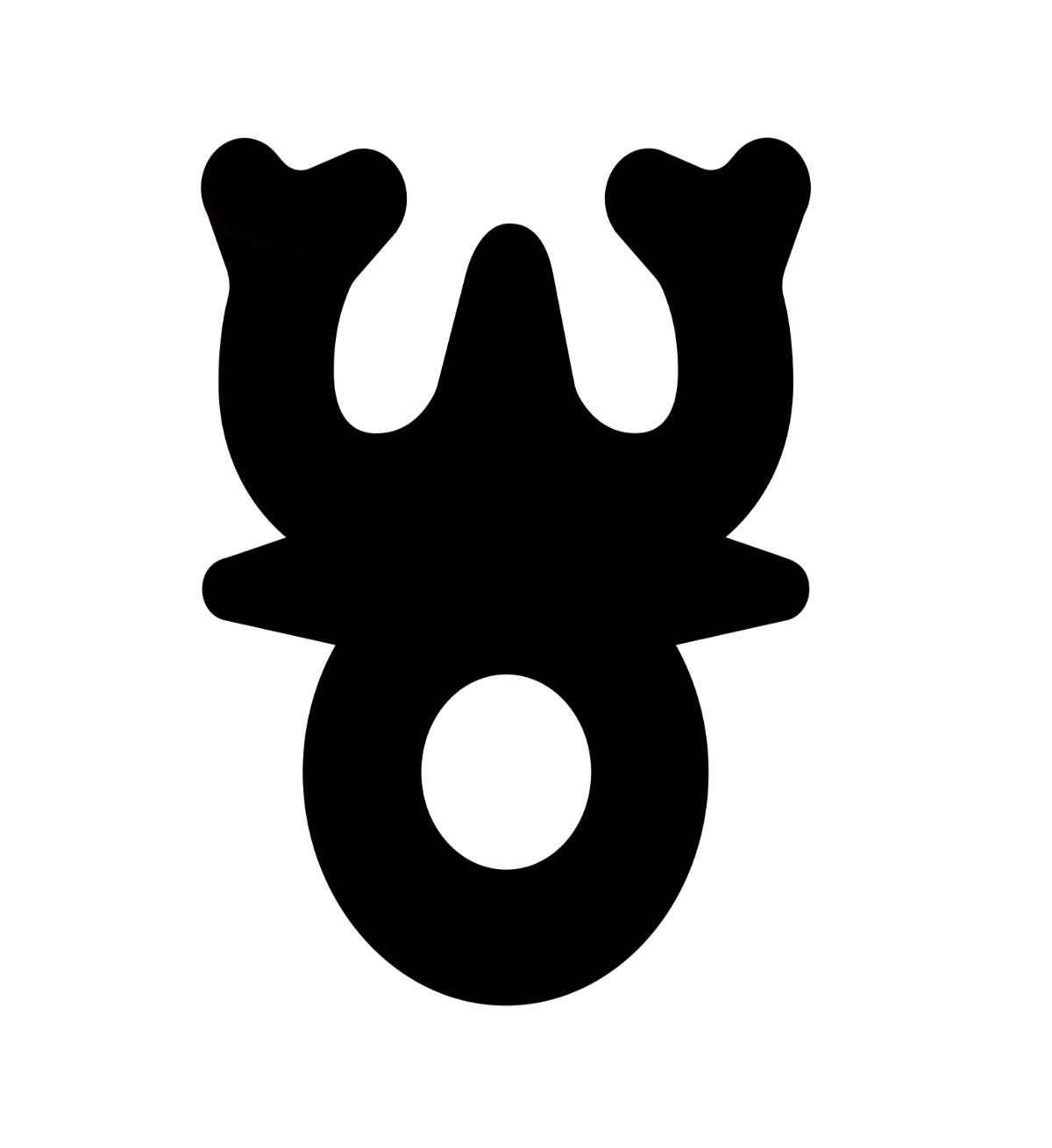
Triratna Symbol – History and Meaning
The triratna symbol has been around since the ancient India. It is found in ancient Buddhist caves; in the toranas or great gates of Sanchi; and in historical coins of Buddhist kingdoms that have existed in the Indian subcontinent.
Triratna Symbol – History and Meaning
The triratna symbol represents the three jewels of Buddhism: the sangha, the dharma, and the Buddha. These are considered forms of the body (sangha), speech (dharma) and mind (Buddha) of the Buddha.
They are the “trinity” of Buddhism, denoting the community or monastic order, the doctrine or teaching, and the Buddha or the Enlightened One, respectively.
The Three Jewels, also referred to as the Triple Gem or Three Treasures, are the three sacred vows made during ceremonies of ordination to become a Buddhist. This is called “Taking Refuge,” where one recites these three pledges:
“I take refuge in the Buddha;
I take refuge in the Dharma;
I take refuge in the Sangha.”
Taking refuge in the Triratna or Three Jewels officially makes one a Buddhist.
But the Buddha, the dharma, and the sangha are just “outer” jewels in Vajrayana traditions. The Three Jewels have an internal facet which are referred to as the Three Roots: the Guru, the Yidam, and the Dakini.
The Guru or the Teacher is considered the root of blessings, while the Yidam is said to be the root of methods or accomplishment, and the Dakini the root of protection or awakened activity.
If you want to learn more about the Triratna symbol, read on to find out the meaning, history, and significance of this Buddhist symbol.
Triratna Symbol History
The triratna is found in the toranas or ornamental gateways in a Buddhist complex in Sanchi, India. In the 2nd century B.C.E., the triratna was put there as the symbol crowning a battle flag and as the Buddha’s symbol on his throne.
The triratna was also carved as the decorative symbol on the later gates of Sanchi and on the Buddha footprint in the first century C.E.
The triratna symbol also appears on the 1st-century B.C.E. coins minted in the Punjabi kingdom called Kuninda. Coins bearing this symbol are also discovered from the time of the Indo-Parthian king Abdagases I and some monarchs in the Kushan Empire. More examples of such historical coins have been found in the Indian subcontinent.
The term “Three Jewels” are mentioned in some parts of the Pali Canon, the collection of Buddhist scriptures. The three jewels are called as such due to their high value to Buddhists, as well as their unchanging nature and indestructibility.
The Triratna Symbol

The triratna is a Buddhist symbol representing the Three Jewels of Buddhism—the Buddha, the dharma, and the sangha.
Triratna is comprised of the following symbols: a lotus flower inside of a circle, a vajra or a diamond rod, and a gankyil or “wheel of joy.”
The triratna symbol is visually represented as bearing some resemblance to the Hindu trishula. It’s in the form of a trident that has three branches denoting the three treasures of Buddhism: the Buddha, the dharma, and the sangha.
On representations of the Buddha footprint or Buddhapada, the triratna is frequently surmounted by the dharmachakra or wheel of dharma.
In some such representations, the triratna is surmounted by three dharma wheels, one for each mentioned treasures or jewels of Buddhism.
Triratna Symbol Meaning

Triratna is a very important Buddhist symbol, representing the Three Jewels of Buddhism: the Buddha (mind), the dharma (speech or teaching), and the sangha (body or community/monastic order). This symbol is made up of a simple shape resembling a rounded “W” with its three branches.
“Triratna” is Sanskrit for “Three Jewels.” In Pali, it is called the “Threefold Refuge,” signifying the “taking refuge” vows recited to officially become a Buddhist. For the Hindus, this symbol is called the “nandipada,” meaning “bull’s hoof.”
The triratna is frequently accompanied by lotus flowers to symbolize Enlightenment, and the dharma wheel which is representative of the Buddha’s teachings.


