Mabon Symbol (Malbon) – History And Meaning
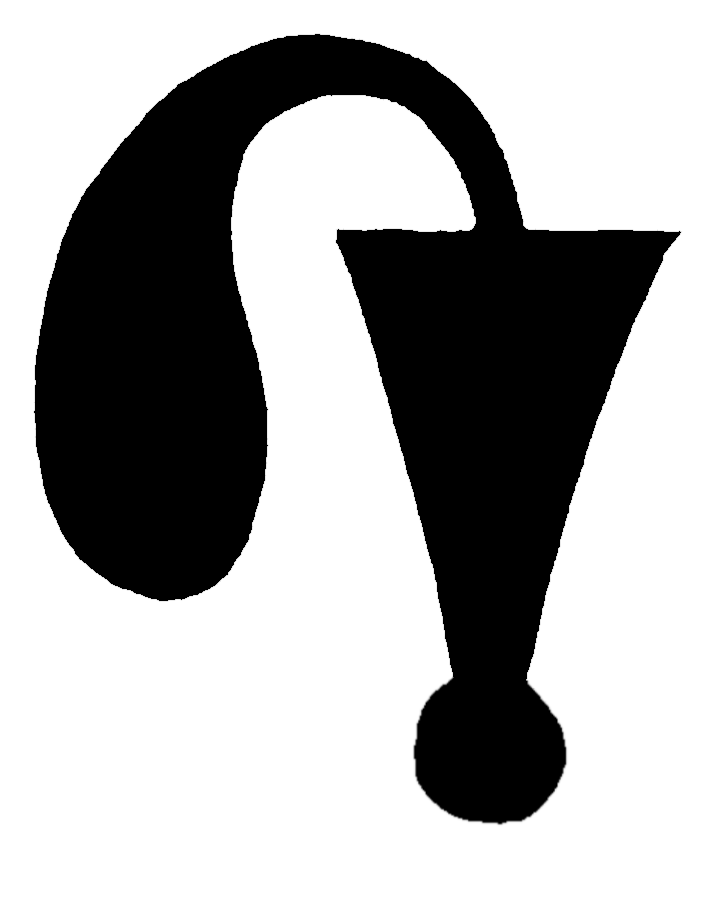
The Malbon or Mabon symbol is a fairly simple design—just a stylized “M” with a horizontal line across the central vertical line, creating a cross.
In 1970, the name “Mabon” was coined in reference to Mabon ap Modron, also known as Maponus, the sun god (or god of light), and a hero in Celtic mythology. He is likened to the Greek god Apollo, also a sun god. They are both depicted as handsome youths with a lyre.
If you want to learn more about the Mabon symbol, read on to find out the meaning, history, and significance of this Celtic symbol.
Mabon Symbol (Malbon) – History And Meaning

Mabon’s story is also similar to Greek goddesses Demeter and Persephone’s. As an infant, Mabon had been held hostage in the underworld, just as Persephone had been abducted by Hades.
Demeter is associated with the fall harvest—lush earth turning barren cold, which is symbolic of her sorrow at losing her daughter.
The celebration of the autumnal equinox was named after the Celtic god of light. Mabon is the second of three harvest festivals that happen in the Wheel of the Year, before Samhain and after Lughnasadh or Lammas (“loaf-mass”).
Mabon festival is a pagan holiday celebrating the fall equinox, much like Thanksgiving. This harvest festival marks the beginning of autumn. It is a celebration of life, a time to relax and enjoy the harvests before the land “dies” in winter.
Malbon Symbol History
Several civilizations have observed harvest festivals around the equinox. The Bavarians commenced Oktoberfest in the 18th century. This festival begins in the last week of September and is still celebrated in Bavaria until this day.
European peasants were not very keen on calculating the exact date of the equinox, so they celebrated the festival on a fixed calendar date—September 25th. This holiday was Christianized by the medieval church, calling it “Michaelmas,” after the Michael the Archangel.
Equinox is a time for thanksgiving in various cultures. The original American Thanksgiving Day occurred on the 3rd of October, which is closer to harvest seasons compared to the end of November.
The Mabon festival is a feast for Mabon’s mother, Modron, the earth goddess, and to celebrate her son Mabon’s birth. The myth says that the sun god was abducted three days after his birth, thus the disappearance or “hiding” of light.
He was reborn as the Son of Light at Yule or winter solstice. This is how the myth is connected to natural occurrences, which symbolize life, death, and rebirth.
The Mabon Symbol

As a symbol, the Mabon or Malbon’s design is pretty simple. It is a mere letter “M” for Malbon/Mabon, with a horizontal line in the vertical line in the middle, which creates a figure that resembles a cross.
Mabon symbolizes the “male” side of the harvest.
The autumn equinox is symbolic of the passing of Mabon. It is a time for remembering that things, as with all cycles, must end, but we should celebrate and give thanks for our harvests or successes. It also brings to mind the balance of life that we must all take part in.
Mabon Symbol Meaning
Mabon is a Welsh name that means “great son,” referring to the “Son of the Great Mother.”
Mabon, son of Modron, literally means “Son, child of Mother.” He is also known as Maponus, which the Romans identified with Apollo.
The Mabon festival is named after the Celtic god of light. However, there is little evidence that Mabon was observed in Celtic lands, especially since the term Mabon was coined by modern pagans only in 1970.