10 Most Prominent Symbols Of Victory
Are you looking for some of the world’s most prominent symbols of victory?
The word “victory” is defined as an act of defeating an enemy or opponent in a game or a battle, or any other competition.
Victory is often celebrated through signs or symbols that denote achievement and success. Different cultures have different ways of celebrating triumphs and achievements. Most of these victory symbols are strongly associated with events and entities from history.
Feeling down and in need of inspiration for fighting your own personal battles? Then the following prominent symbols of victory should perk you up and inspire you to keep on fighting.
10 Most Prominent Symbols Of Victory

1. Laurel Wreath

A symbol commonly associated with victory is the laurel wreath, a circular crown made of branches and leaves from the bay laurel tree.
In ancient Greece, the laurel wreath was awarded to victorious athletes, poets, and military commanders as a symbol of their achievements. It was also an important symbol for the ancient Romans as both triumphant athletes and generals wore it as a badge of honor.
Today, the laurel wreath still serves as a symbol of victory, success, and achievement in various contexts, such as in fashion and various adornments. It is also commonly depicted in both art and literature as a symbol of triumph and honor.
2. Palm Branch

The palm branch, or palm frond, is a symbol commonly associated with victory, triumph, peace, and eternal life. It roots can be traced back to the ancient Near East and the Mediterranean.
Victorious athletes in ancient Greece were bestowed a palm branch as a symbol of their triumph. While in ancient Rome, a palm frond or the tree itself was among the most common attributes of the personification of Victory.
In Mesopotamian religions, the palm was deemed sacred and significant as in most other religions. For instance, Christians associate the palm branch with Jesus’ victorious entry into Jerusalem, which is celebrated by the Christian world on Palm Sunday.
In addition, the palm in Christian iconography signifies victory – as in “the victory of the spirit over the flesh,” which is mentioned in the Book of Revelation, chapter 7, verse 9.
3. Cross
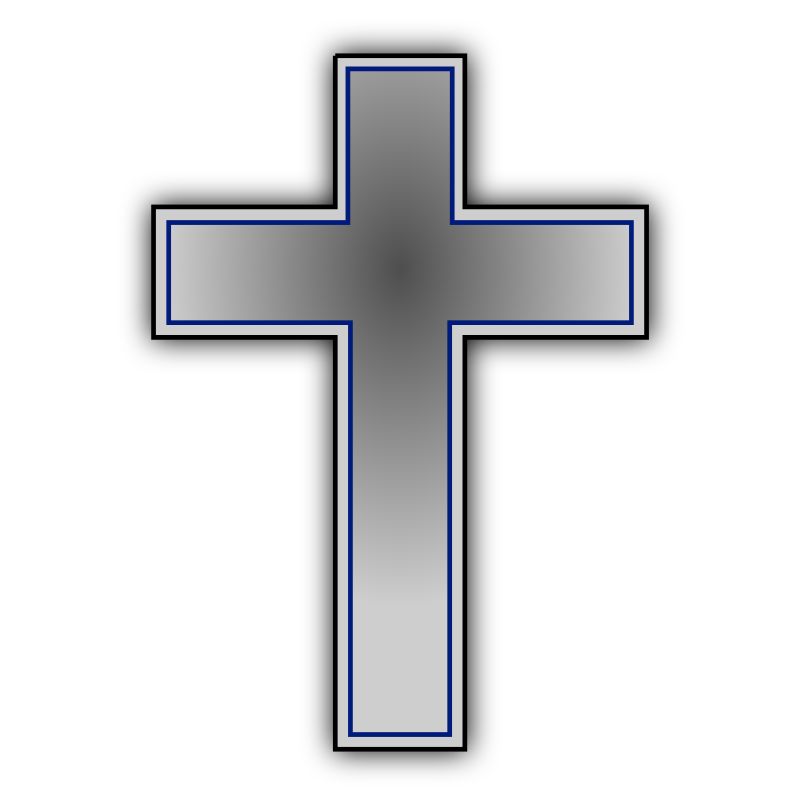
The cross symbols has not always represented all the good things it does today. Before Jesus’ time, it was the most degrading form of punishment for criminals.
A short while after Jesus’ death, the cross became the sign of extreme humiliation – at least for the Christ.
Thereafter, however, the cross became a symbol of glory and power. Today, the cross symbolizes victory for Christians — as in victory over death, victory over evil, and victory over sin.
This symbol is associated with Jesus Christ and His crucifixion as well as resurrection after the atrocity, which denotes overcoming death – and in turn, victory.
4. Raised Hands / Clenched Fist / Fist Pump

The raised hands or fist pumping gesture is a sign connoting triumph. This symbol has gained popularity in recent times, but it has been used as a symbol of political solidarity and resistance in history.
Athletes have also employed the clenched-fist gesture as a symbol of victory. People have used it as a political statement as well.
The raised hands, clenched fist, and fist pumping gestures are often used to celebrate achievement or success. They are as well interpreted as a sign of confidence and determination.
5. Trophy / Medal

One of the most common symbols of victory then and now is the trophy or medal. These signs are often given to individuals or teams who have won a competition or achieved an important accomplishment.
The practice of using trophy cups as a symbol of triumph can be traced back to ancient Greece, where the winners of sporting competitions were given amphorae filled with olive oil.
In modern times, trophy cups and medals are widely used in many different competitions and are deemed a universal emblem of victory.
6. Aegishjalmur (Helm of Awe / Helm of Terror)

Also called the Helm of Awe or Helm of Terror, Aegishjalmur is rune stave that is famously used as a Viking symbol of victory as well as protection.
This symbol comprises of eight branches that resemble radiant tridents encompassing a central point of the emblem itself. These tridents serve to protect the said central point.
Aegishjalmur is also employed as an emblem of protection and power. It was believed that anyone who wore it to battle would be protected from harm and, therefore, emerge victorious.
7. Tiwaz Rune

Tiwaz rune is a rather delicate symbol to discuss. It is a beautiful victory symbol but made controversial by the Nazi’s usage of it as a propaganda on white supremacy. It gave this rune a negative image – as a racist symbol – that it still suffers from up to this day.
However, the origin of this symbol is far from what the Nazi represents to the world. Tiwaz rune is actually a Viking symbol that was linked to emerging victorious from a battle. It is depicted as a stylish arrow sign, like most other runes.
8. Ribbon of St. George

As the best recognized and most respected symbol of military valor in Russia, the ribbon of St. George or the Georgian ribbon is often used as a symbol of victory. This sign comprises of a bicolor pattern with three black and two orange stripes.
The ribbon of St. George serves as a patriotic symbol for Russians. They wear the black-and-orange ribbon to express patriotism and pay respect to the Russian heroes. To display respect, the ribbon should be worn correctly: placed on the chest, close to the heart. This is a sign of honoring the exploits and courage of the defenders of the nation.
Each year, Russians wear the Georgian ribbon during the Victory Day celebrations, to commemorate the victory of the war and to symbolize military glory.
9. Eagle

The eagle is often linked to sky gods, symbolizing victory as well as inspiration, longevity, freedom from bondage, speed, pride, and royalty.
Various powerful nations use the eagle as their emblem. From the mighty Romans, to the French and Austrians, as well as Germans and Americans, they have all used this bird as their symbol. For the Romans, the eagle was a powerful of symbol of triumph.
During the golden age of the Greeks, the eagle – depicted with spread-out wings and clutching a snake in its talons – served as a sign of victory as well as great energy. The eagle is representative of the victory of good over evil.
10. Victory Hand / V Sign

The victory hand or the victory sign, also known simply as the V sign, is a symbol of triumph or celebration. It is also called the peace sign, made by holding up two fingers on one hand, spread apart to create the letter V sign.
Sir Winston Churchill repeatedly showed the V sign during World War II to convey victory.
Although prominently associated with victory, the V sign’s symbolic meanings have gone beyond that. Today, it also signifies solidarity, tenacity, and resistance. Online, the V sign is often used to signify peace as well as unity and harmony.