Djed Symbol – History And Meaning
The djed is the symbolic backbone of the god Osiris who is the Egyptian god of life, fertility, and resurrection, the afterlife and the underworld, as well as agriculture and vegetation.
The djed pillar can also be interpreted as the backbone of the deceased associated with Osiris.
Ancient Egyptians saw the importance of the spine, associating it with the resurrected god, Osiris, keeping him virtually intact and able to function even after death.
Djed Symbol – History And Meaning
If you want to learn more about the Djed symbol, read on to find out the meaning, history, and significance of this Egyptian symbol.
Djed Symbol History

The djed first appeared around 6000 to 3150 BCE in Egypt, during the Predynastic Period. The symbol thrived through the Ptolemaic Dynasty, the last dynasty to rule Egypt before it became a province of the Roman Empire in the 323 to 330 BCE.
We can trace the origin of the Egyptian djed symbol to the myth involving Seth, the god of chaos, desert, and violence, attempting to kill his brother Osiris.
Seth tricked Osiris into climbing in a coffin then thrown into the river Nile and ending up on the shores of Byblos. On these shores, a sacred tree grew around the coffin.
Since Egypt was primary treeless, the pillar is also thought to be a tree fetish. This may represent the significance of Egypt’s tree importation from Syria.
Another thought on the djed is that it was a fertility cult-related pillar made from reeds or sheaves, or perhaps a totem from which sheaves of grain were hung, or – as some scholars say – where grain was piled around.
The djed came to be associated with the falcon god of the Memphite Necropolis called Seker, as well as the creator god Ptah.
Ptah is also the Memphite patron god of craftsmen, with the latter being referred to as “the noble djed” who carried a scepter that was a combination of the djed and the ankh symbols. Ptah was eventually assimilated into Osiris.
The Djed Symbol

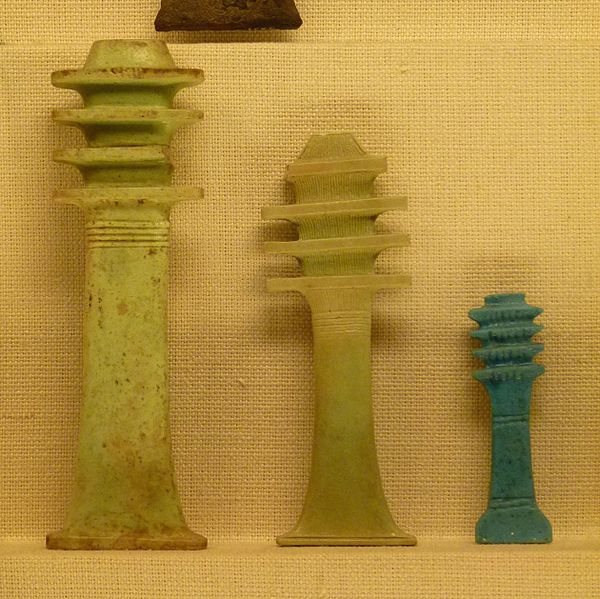
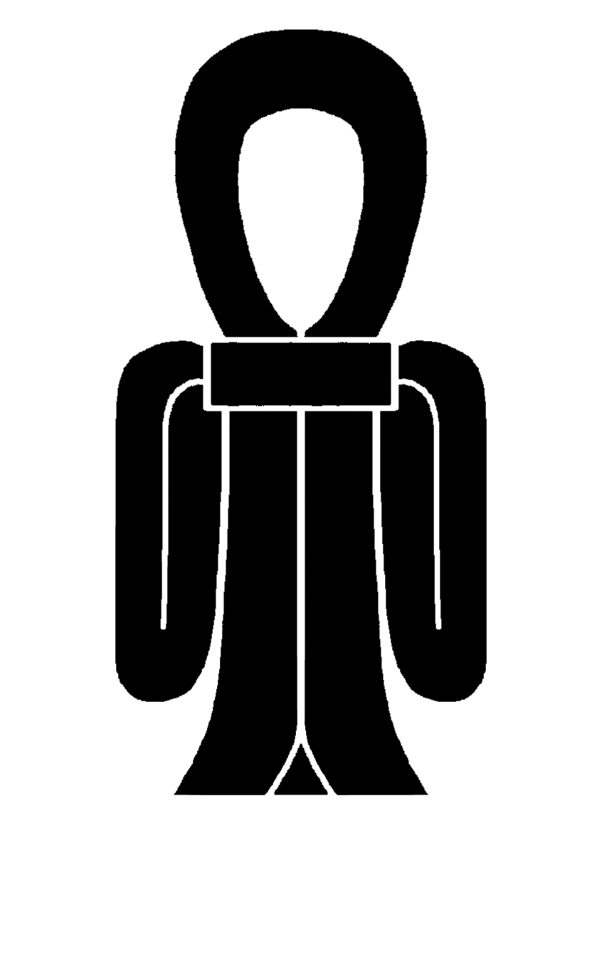
The djed is symbol that appears as a vertical shaft or a pillar topped with four horizontal bars that bear a series of lines between them. The neck part of a djed has four bands around it, just below the first horizontal bar.
This Egyptian symbol can be seen in hieroglyphics, architecture, artwork, tattoos, and jewelry.
A very significant and well respected symbol among Egyptians, the djed’s meaning is universal.
The horizontal bars at the top denote stability, just below them is the part that signifies prosperity, lower still is the part that symbolizes king’s rule, fertility follows, and the backbone of Osiris at the bottom.
This pillar, as a whole, symbolizes the concept, the spoken, and the written word of stability.
In hieroglyphs, the djed symbol is often found together with the tyet, also known as the knot of Isis or the girdle of Isis.
Djed Symbol Meaning

The “backbone” of something means the most vital part of it that provides support for everything else.
In other words, having a backbone means providing stability, permanence, and immutabilitiy – things the ancient Egyptian symbol djed signifies.
A pillar-like figure in Egyptian hieroglyphs symbolizing stability, permanence, and immutability, the djed is one of the more ancient and common symbols in ancient Egyptian religion.
Seen as the symbolic backbone of the god Osiris, it is also associated with the falcon god Seker and the creator-god Ptah.

One Comment